
A Stand Against VA Union Opposition to Veteran Choice and Community Care
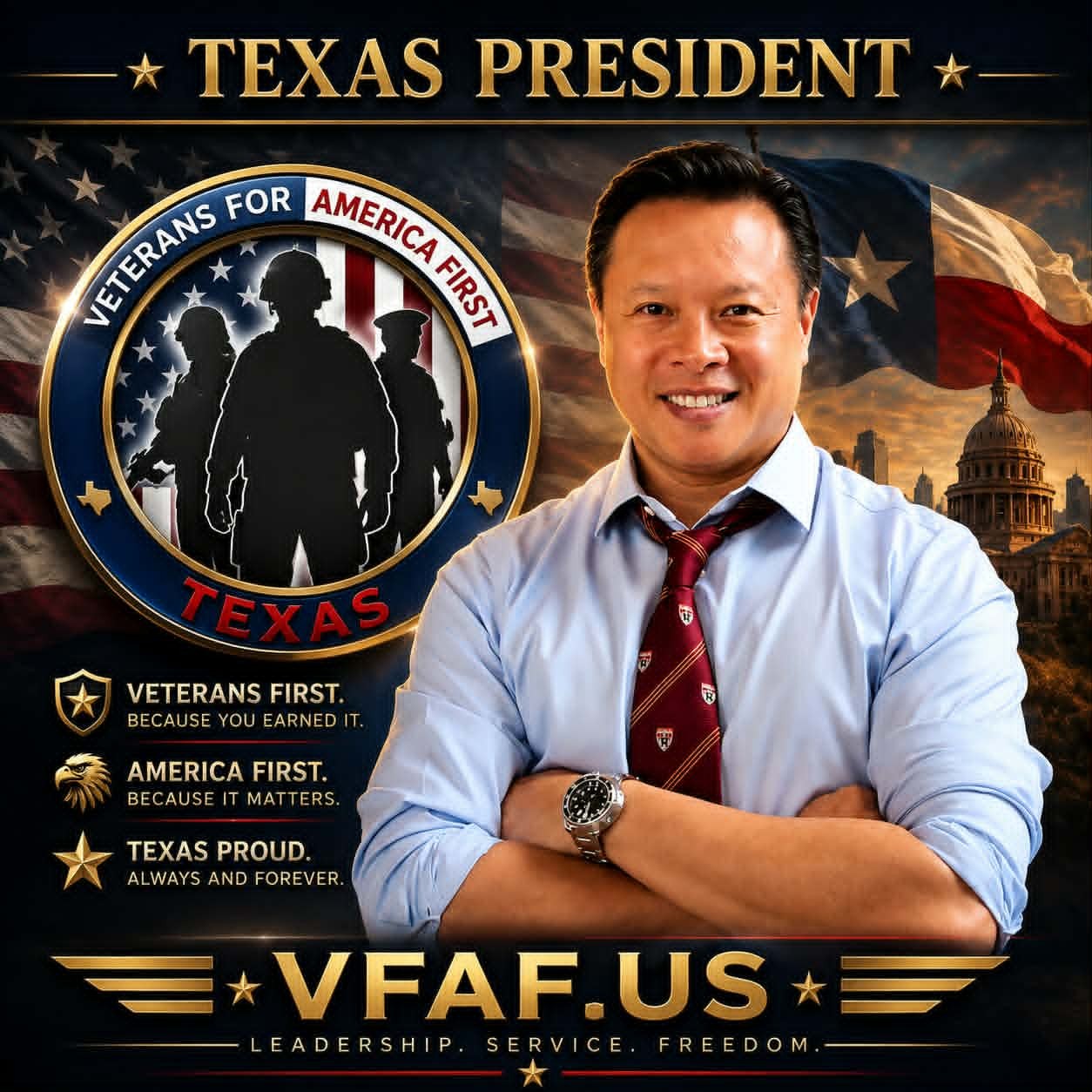
As a U.S. Navy veteran and National Vet Force Director, I support the following statement issued by our Texas President regarding AFGE's long-standing opposition to expanded veteran healthcare choice and community care. The statement reflects a frustration shared by many veterans who believe healthcare decisions should belong to veterans, not institutions.
💥Statement From Texas President💥
AFGE,
Let’s stop pretending this is about veterans.
This is about protecting a bureaucracy and advancing the same political agenda you’ve pushed for years.
You oppose conservative reforms.
You attack President Trump.
You fight veteran choice.
And then you have the audacity to claim you’re acting in the best interest of veterans.
Veterans do not exist to serve the VA.
The VA exists to serve veterans.
If a veteran can get faster, better, or more convenient care in their local community, no union should stand in the way.
The fact that AFGE opposes that tells us exactly where your priorities lie.
You chose the institution.
Veterans chose freedom.
That’s why so many veterans no longer trust organizations like yours.
Nick Tran: The Refined Savage
The History Behind the Debate
The American Federation of Government Employees (AFGE) is one of the largest federal employee unions in the United States and represents a substantial portion of the Department of Veterans Affairs workforce. For years, AFGE has been one of the most vocal opponents of expanding veterans' access to healthcare outside the VA system.
The battle became especially visible following the 2014 VA wait-time scandal that led Congress to create the Veterans Choice Program. The purpose of the program was simple: allow veterans who faced long wait times or lived far from VA facilities to receive care in their local communities.
AFGE opposed the expansion of community care, arguing that sending veterans to private-sector providers would weaken the VA healthcare system and move the department toward privatization.
The fight continued during debates surrounding the VA MISSION Act of 2018, which significantly expanded veterans' ability to access community care. Once again, AFGE argued that resources should remain inside the VA system rather than follow veterans into private-sector healthcare.
For years, AFGE has maintained that strengthening the VA means keeping care within VA facilities. Many veterans, however, have argued that strengthening the VA should never come at the expense of veteran choice.
This disagreement has become one of the most significant policy battles in modern veterans' healthcare.
The Doug Collins Conflict
The conflict escalated further under Secretary Doug Collins.
Collins has publicly advocated for increasing healthcare options for veterans and making it easier for veterans to receive care in the community when appropriate. His approach focuses on removing barriers and putting veterans first rather than preserving existing bureaucratic structures.
That position placed him on a collision course with AFGE.
In 2025, Collins terminated AFGE's master collective bargaining agreement covering hundreds of thousands of VA employees. AFGE responded by filing lawsuits against the Department of Veterans Affairs.
The legal battle quickly moved through the federal courts, with AFGE seeking restoration of the bargaining agreement while the VA defended Collins' actions.
While the lawsuit centers on labor relations and executive authority, many veterans see a broader issue beneath the legal filings. They view the dispute as part of a larger fight over the future direction of veterans' healthcare and whether veteran choice will continue to expand.
Why Many Veterans Are Speaking Out
Many veterans believe the central question is not complicated.
Who should have the final say in a veteran's healthcare—the veteran or the institution?
For more than a decade, AFGE has fought expansions of community care. Doug Collins has advocated for expanding veterans' healthcare options. AFGE then sued after Collins moved against the union's bargaining agreement.
Those are the facts.
The opinions that follow belong to veterans themselves.
Many veterans believe healthcare funding should follow the veteran. They believe veterans should be free to choose VA care, community care, or any option authorized under the law that best meets their needs.
The VA exists because veterans served this nation.
The system should never become more important than the people it was created to serve.
Veterans earned their healthcare benefits through service and sacrifice. Many believe those benefits should empower veterans—not institutions.
And that is why the fight over veteran choice continues today.
Kimberly Taiko Moyers
U.S. Navy Veteran
National Vet Force Director
Veterans for America First
