
Carry out an execution.
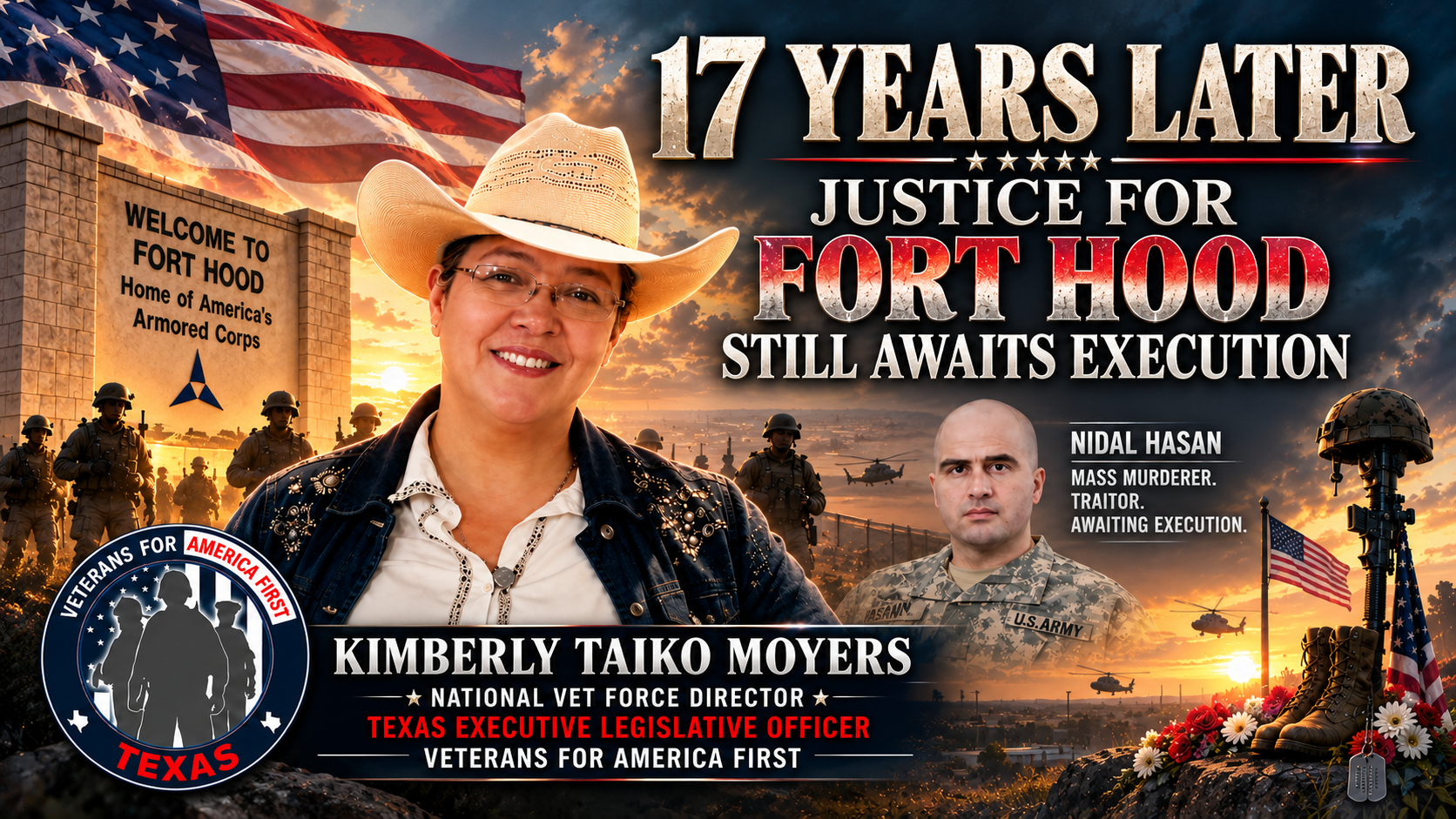
And at the center of that process is Nidal Malik Hasan, the former Army major convicted for the November 5, 2009 massacre at Fort Hood, Texas.
That day, 14 people were killed, including Pvt. Francheska Velez and the baby she was carrying. Dozens more were wounded.
Fourteen people.
I will not leave that baby out of the count like the left does.
The official military prosecution charged Hasan with 13 counts of premeditated murder because the military's formal count listed 13 named victims. Hasan was also convicted of 32 counts of attempted premeditated murder. But when I remember the lives taken at Fort Hood, I count fourteen.
Francheska was pregnant.
She was carrying her baby.
Her baby was a life lost that day and deserves to be remembered alongside every other victim.
Hasan was sentenced to death in 2013. The United States Court of Appeals for the Armed Forces upheld his conviction and sentence. On March 31, 2025, the United States Supreme Court declined to review his case.
His direct military appellate process has reached the end of the road.
Now the United States military is preparing for the possibility of carrying out an execution for the first time since 1961.
That matters.
But what matters more are the people who have been waiting.
For nearly seventeen years, the families of Fort Hood have lived with what happened on that November afternoon.
They buried husbands.
Wives.
Sons.
Daughters.
Brothers.
Sisters.
Fellow soldiers.
And one family lost a pregnant daughter and the baby she was carrying.
Those are not numbers.
Those are lives.
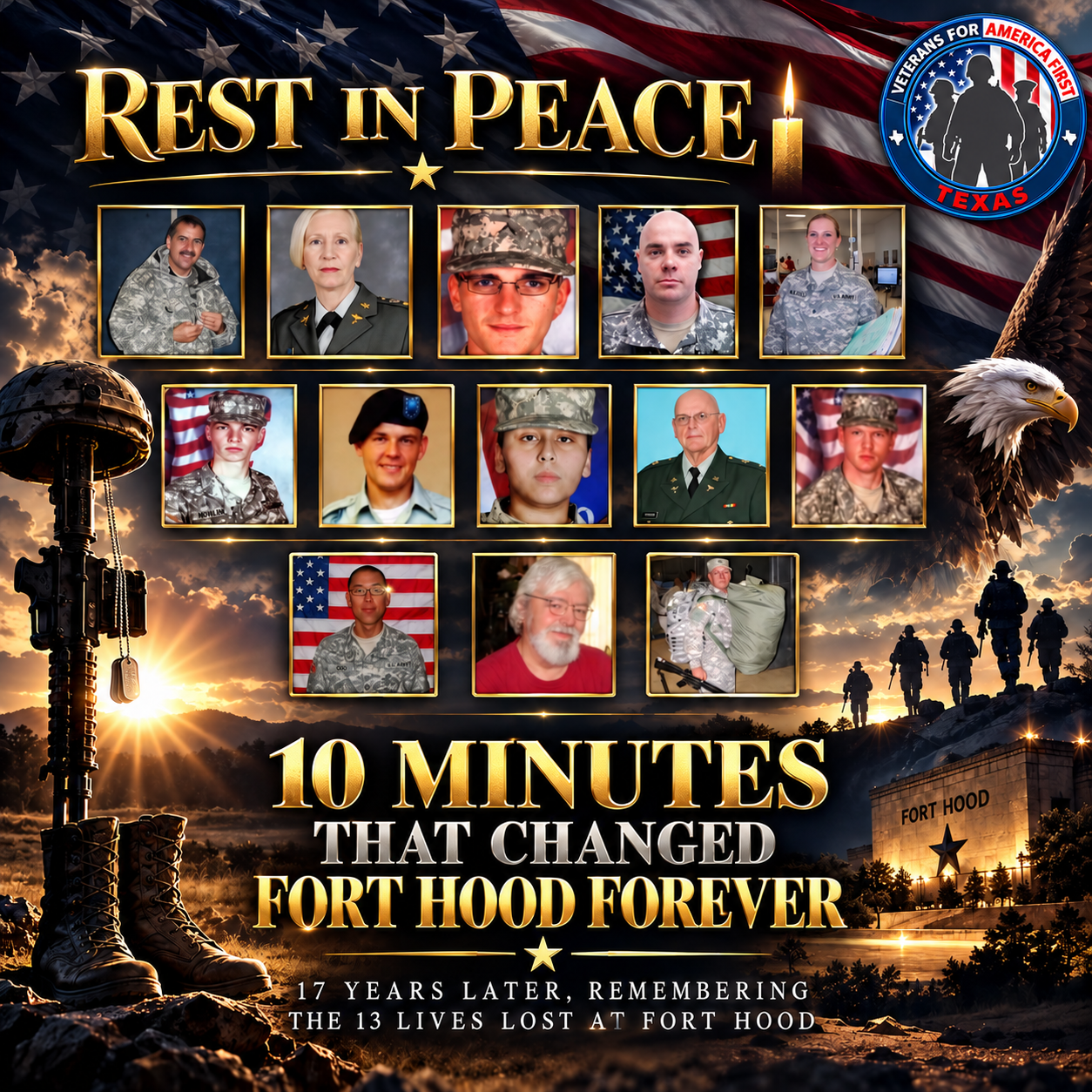
Lt. Col. Juanita L. Warman
Maj. Libardo Caraveo
Capt. John P. Gaffaney
Capt. Russell Seager
Staff Sgt. Justin Decrow
Sgt. Amy Krueger
Spc. Jason Hunt
Pfc. Frederick Greene
Pfc. Aaron Nemelka
Pfc. Michael Pearson
Spc. Kham Xiong
Pvt. Francheska Velez
Chief Warrant Officer, Retired, Michael Cahill
And Francheska Velez’s baby.
Fourteen people killed.
And then there are the survivors.
Hasan was convicted of 32 counts of attempted premeditated murder.
Those numbers represent human beings too.
Soldiers who were shot.
Men and women who watched people fall around them.
People who survived an attack inside an American military installation and then had to figure out how to live with what came afterward.
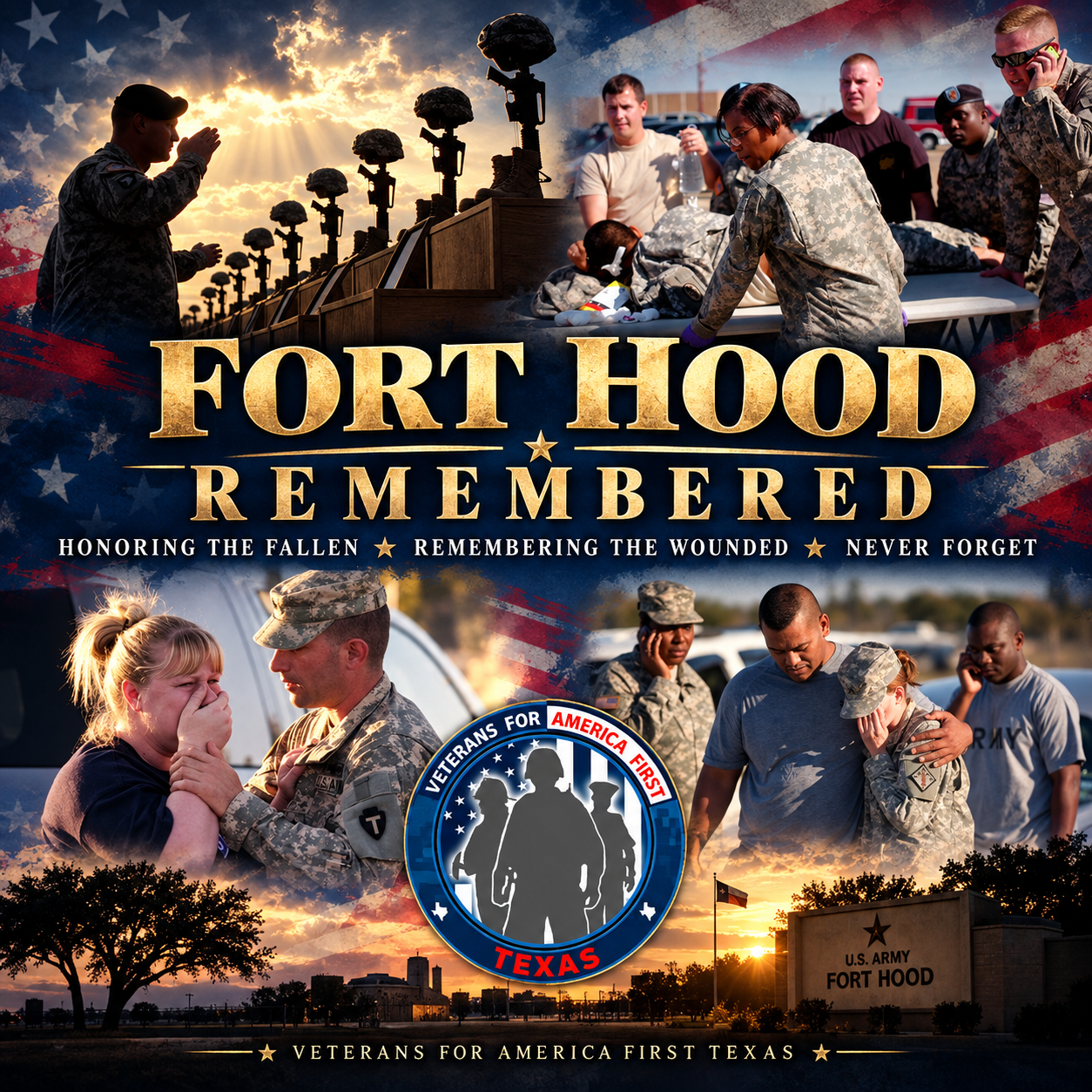
First responders ran toward the gunfire.
Medics worked the wounded.
Soldiers helped soldiers.
Some survivors carried physical scars.
Others carried memories that could never be seen beneath a uniform.
As a United States Navy veteran, that is the part of Fort Hood that stays with me.
We understand risk when we raise our right hand.
We understand deployment.
We understand hostile territory.
We understand that military service can demand everything from us.
But Fort Hood was home.
These soldiers were not moving through an enemy position overseas.
They were on an American military installation.
They were among their own.
They should have been safe.
Instead, fourteen people lost their lives.
That is why I have such a difficult time accepting how long justice has taken.
Hasan was sentenced to death more than thirteen years ago.
Nearly seventeen years have passed since the killings.
The appellate courts reviewed the case.
The highest military appeals court affirmed the convictions and sentence.
The Supreme Court declined further review.
And still the families wait.
I firmly support the death sentence imposed in this case.
There is no uncertainty about where I stand.
Hasan received a trial.
He was convicted.
He received the appellate review required in a capital military case.
His direct appeals have run their course.
Accountability has to mean something.
A military that teaches young service members that orders, standards and consequences matter cannot allow a lawful sentence to become meaningless through endless delay.
Justice must follow the Constitution.
Justice must follow military law.
Justice must allow appeals.
And when the government is preparing to take a human life, it has an extraordinary responsibility to make certain every legal requirement has been satisfied.
But due process cannot become endless process.
At some point, a sentence has to mean what the court said it means.
In September 2025, Secretary of War Pete Hegseth requested that President Donald Trump approve and order Hasan’s execution. Presidential approval is required before a military death sentence can move toward execution.
The Army has also prepared for the possibility of carrying out military executions, something the United States military has not done since Army Pvt. John Bennett was executed in 1961.
That means the nation is now confronting something it has not confronted in more than six decades.
For the families, however, this is not a legal history lesson.
It is personal.
Think about what seventeen years means.
Seventeen Christmases.
Seventeen Thanksgivings.
Seventeen birthdays that never came.
Seventeen November fifths.
Parents growing older without their children.
Children growing up without parents.
Spouses continuing life without the person they expected to grow old beside.
And Francheska Velez’s family living every one of those years without her and without the baby she was carrying.
Her baby never received a first birthday.
Never took a first step.
Never had a first day of school.
Never had the opportunity to live the life that family was preparing to welcome.
That loss counts.
That baby counts.
Fourteen people were lost at Fort Hood.
Our government may officially record thirteen murder convictions, but remembrance is not confined to the wording on a charging document.
We remember fourteen.
And we remember those who survived.
We remember the wounded soldier who had to rebuild a body.
The service member who had to rebuild a life.
The medic who worked desperately to save someone.
The police officer who ran toward gunfire.
The soldier who reached down and helped another soldier get out.
The husband who answered the telephone.
The mother who received the news.
The children who learned that somebody was never coming home.
The story of Fort Hood does not belong to the murderer.
It belongs to them.
That is why justice matters.
Not because carrying out a sentence can bring anyone back.
It cannot.
Nothing can return these fourteen people to their families.
Nothing can undo that day.
But a sentence rendered by a lawful court must ultimately have finality.
The military taught me that a mission does not become complete because enough time has passed.
It does not become complete because the paperwork is difficult.
It does not become complete because people are tired of talking about it.
A mission is complete when the mission is finished.
For the families of Fort Hood, this mission remains unfinished.
I firmly stand behind the lawful death sentence imposed on Nidal Hasan.
When every remaining legal requirement for carrying it out has been satisfied, I believe that sentence should be carried out.
Not because we have forgotten the value of life.
Because we have not forgotten the lives that were taken.
Fourteen of them.
Remember Lt. Col. Juanita Warman.
Remember Maj. Libardo Caraveo.
Remember Capt. John Gaffaney.
Remember Capt. Russell Seager.
Remember Staff Sgt. Justin Decrow.
Remember Sgt. Amy Krueger.
Remember Spc. Jason Hunt.
Remember Pfc. Frederick Greene.
Remember Pfc. Aaron Nemelka.
Remember Pfc. Michael Pearson.
Remember Spc. Kham Xiong.
Remember Chief Warrant Officer Michael Cahill.
Remember Pvt. Francheska Velez.
Remember her baby.
Remember every wounded survivor.
Remember every first responder.
Remember every family that has carried November 5, 2009, for nearly seventeen years.
Fourteen people killed.
Dozens wounded.
Families forever changed.
And after nearly seventeen years, justice still waits.
Veterans First.
